The shortcut for busy workers
However, preparing for the certificate exam is a hard & time-consuming process because the exam is very difficult and the pass rate is low if you prepare yourself without the help of our CheckPoint 156-915.77 dumps guide. However most of people who need to prepare for the exam are office stuff and who are busy & tired in their daily lives, they may not have enough time to prepare for exam without valid 156-915.77 exam braindumps: Check Point Certified Security Expert Update Blade. In order to help candidates get out of the dilemma, we are here to provide the shortcut for you. Our company specializes in compiling the CheckPoint 156-915.77 exam bootcamp for workers, and we will be here waiting for helping you any time.
Three different versions available for you
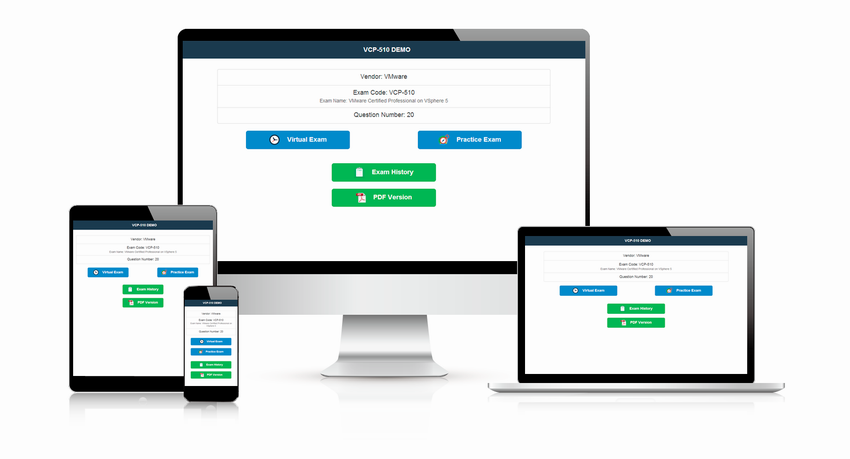
On account that different people have different preference for different versions of 156-915.77 exam braindumps: Check Point Certified Security Expert Update Blade, our company has put out three kinds of different versions for our customers to choose from, namely, PDF Version, PC test engine and APP test engine of CheckPoint 156-915.77 dumps guide. It is universally acknowledged that PDF version is convenient for you to read and print, therefore, you can bring the 156-915.77 exam simulation files with you wherever you go. What's more, among the three versions, the PC version can stimulate the real exam for you in the internet, but this version of CheckPoint 156-915.77 exam simulation only can be operated in the windows operation system under Java script, which can help you to become familiar with the exam atmosphere in the real exam. We will respect every select that you make and will spare no effort to provide the best service and 156-915.77 exam braindumps: Check Point Certified Security Expert Update Blade for you.
Instant Download: Upon successful payment, Our systems will automatically send the product you have purchased to your mailbox by email. (If not received within 12 hours, please contact us. Note: don't forget to check your spam.)
Instant downloading after payment
Customers' satisfaction is our greatest pursuit, so our company has paid great importance to the delivery speed. As our CheckPoint 156-915.77 dumps guide materials are electronic files we do not need traditional shipping method. In order to save as much time as possible for our customers, our system will send the downloading link of 156-915.77 exam braindumps: Check Point Certified Security Expert Update Blade to your e-mail address in 5 to 10 minutes automatically after payment (please enter the right email while placing the order), then you only need to check your email and download the 156-915.77 dumps guide, thus you can get enough time to prepare for the exam, as it is known to all, chance favors the one with a prepared mind. Our CheckPoint 156-915.77 exam simulation files have been highly valued by a large number of people all over the world, you might as well have a try, and experience will tell you everything.
156-915.77 Exam topics
Candidates must know the exam topics before they start of preparation. Because it will really help them in hitting the core. Our CheckPoint 156-915.77 exam dumps will include the following topics:
- Using Smart update
- Deployment platforms and security policies
- User management and authentication
- CheckPoint Technology overview
- Network address translations
- Configuring VPN Tunnels
- Monitoring traffic and communications
Check Point 156-915.77 Exam Syllabus Topics:
| Topic | Details |
|---|---|
| Check Point Firewall Infrastructure | - GUI Clients - Management |
| SecureXL: Security Acceleration | - What SecureXL Does- Packet Acceleration - Session Rate Acceleration - Masking the Source Port - Application Layer Protocol - An Example with HTTP HTTP 1.1 - Factors that Preclude Acceleration - Factors that Preclude Templating (Session Acceleration) - Packet Flow - VPN Capabilities |
| VPN Debug | - vpn debug Command- vpn debug on | off - vpn debug ikeon |ikeoff - vpn Log Files - vpn debug trunc - VPN Environment Variables - vpn Command - vpn tu - Comparing SAs |
| Advanced User Management | Objectives:
|
| Clustering and Acceleration | Objectives:
|
| CoreXL: Multicore Acceleration | - Supported Platforms and Features- Default Configuration - Processing Core Allocation - Allocating Processing Cores - Adding Processing Cores to the Hardware - Allocating an Additional Core to the SND - Allocating a Core for Heavy Logging - Packet Flows with SecureXL Enabled |
| SmartReporter | -Report Types |
| Check Point Firewall Key Features | - Packet Inspection Flow- Policy Installation Flow - Policy Installation Process - Policy Installation Process Flow |
| Lab 3 Migrating to a Clustering Solution | - Installing and Configuring the Secondary Security Gateway Re-configuring the Primary Gateway - Configuring Management Server Routing - Configuring the Cluster Object - Testing High Availability - Installing the Secondary Management Server - Configuring Management High Availability |
| ClusterXL: Load Sharing | - Multicast Load Sharing- Unicast Load Sharing - How Packets Travel Through a Unicast - LS Cluster - Sticky Connections |
| User Management | - Active Directory OU Structure- Using LDAP Servers with Check Point - LDAP User Management with User Directory - Defining an Account Unit - Configuring Active Directory Schemas - Multiple User Directory (LDAP) Servers - Authentication Process Flow - Limitations of Authentication Flow - User Directory (LDAP) Profiles |
| Lab 2: Core CLI Elements of Firewall Administration | - Policy Management and Status- Verification from the CLI - Using cpinfo - Run cpinfo on the Security Management Server - Analyzing cpinfo in InfoView - Using fw ctl pstat - Using tcpdump |
| Multiple Entry Point VPNs | - How Does MEP Work- Explicit MEP - Implicit MEP |
| Backup and Restore Security Gateways and Management Servers | - Snapshot management - Upgrade Tools - Backup Schedule Recommendations - Upgrade Tools - Performing Upgrades - Support Contract |
| Network Address Translation | - How NAT Works- Hide NAT Process - Security Servers - How a Security Server Works - Basic Firewall Administration - Common Commands |
| Tunnel Management | - Permanent Tunnels- Tunnel Testing - VPN Tunnel Sharing - Tunnel-Management Configuration - Permanent-Tunnel Configuration - Tracking Options - Advanced Permanent-Tunnel configuration - VPN Tunnel Sharing Configuration |
| Security Gateway | - User and Kernel Mode Processes- CPC Core Process - FWM - FWD - CPWD - Inbound and Outbound Packet Flow - Inbound FW CTL Chain Modules - Outbound Chain Modules - Columns in a Chain - Stateful Inspection |
| Management HA | - The Management High Availability Environment- Active vs. Standby - What Data is Backed Up? - Synchronization Modes - Synchronization Status |
| Auditing and Reporting | Objectives:
|
| Lab 5: Configure Site-to-Site VPNs with Third Party Certificates | - Configuring Access to the Active Directory Server- Creating the Certificate - Importing the Certificate Chain and Generating Encryption Keys - Installing the Certificate - Establishing Environment Specific Configuration - Testing the VPN Using 3rd Party Certificates |
| Upgrading Standalone Full High Availability | |
| Auditing and Reporting Process | -Auditing and Reporting Standards |
| Lab 6: Remote Access with Endpoint Security VPN | - Defining LDAP Users and Groups- Configuring LDAP User Access - Defining Encryption Rules - Defining Remote Access Rules - Configuring the Client Side |
| Advanced Firewall | Objectives:
|
| Lab 7: SmartEvent and SmartReporter | - Configure the Network Object in SmartDashboard- Configuring Security Gateways to work with SmartEvent - Monitoring Events with SmartEvent - Generate Reports Based on Activities |
| Lab 1: Upgrading to Check Point R77 | - Install Security Management Server - Migrating Management server Data - Importing the Check Point Database - Launch SmartDashboard - Upgrading the Security Gateway |
| SmartEvent Architecture | - Component Communication Process- Event Policy User Interface |
| FW Monitor | - What is FW Monitor- C2S Connections and S2C Packets fw monitor |
| Clustering and Acceleration | - Clustering Terms- ClusterXL - Cluster Synchronization - Synchronized-Cluster Restrictions - Securing the Sync Interface - To Synchronize or Not to Synchronize |
| SmartEvent | -SmartEvent Intro |
| VRRP | - VRRP vs ClusterXL- Monitored Circuit VRRP - Troubleshooting VRRP |
| Troubleshooting | -VPN Encryption Issues |
| Kernel Tables | - Connections Table- Connections Table Format |
| Troubleshooting User Authentication and User Directory (LDAP) | - Common Configuration Pitfalls- Some LDAP Tools - Troubleshooting User Authentication |
| Lab 4: Configuring SmartDashboard to Interface with Active Directory | - Creating the Active Directory Object in SmartDashboard- Verify SmartDashboard Communication with the AD Server |
| Upgrading | Objectives:
|
| Advanced VPN Concepts and Practices | - IPsec- Internet Key Exchange (IKE) - IKE Key Exchange Process – Phase 1/ Phase 2 Stages |
| Remote Access VPNs | - Connection Initiation- Link Selection |
| Maintenance Tasks and Tools | - Perform a Manual Failover of the FW Cluster- Advanced Cluster Configuration |
| Identity Awareness | - Enabling AD Query- AD Query Setup - Identifying users behind an HTTP Proxy - Verifying there’s a logged on AD user at the source IP - Checking the source computer OS - Using SmartView Tracker |
| Advanced IPsec VPN and Remote Access | Objectives:
|
Undoubtly in the process of globalization, competition in various industries is likely to be tougher and tougher, (156-915.77 exam braindumps: Check Point Certified Security Expert Update Blade) and the industry is not an exception. As a worker, how can you stand out in the crowd? Maybe this certification can be the most powerful tool for you.

Check Point Certified Security Expert Update - 156-915.77 Exam
Check Point Certified Security Expert Update - 156-915.77 Exam related to CheckPoint Certified Security Expert and credit towards Threat Prevention Certification. This exam validates the ability to perform a backup and restore the current Gateway installation from the command line, import and export users and groups and add or delete administrators from the command line, create and configure network, host and gateway objects. It also deals with the ability to troubleshoot a management server using a database migration and build, test and troubleshoot a management HA deployment on an enterprise network. System Administrators, Support Analysts and Network Engineers usually hold or pursue this certification and you can expect the same job role after completion of this certification.


 Dawn
Dawn 
 Boyd
Boyd 
 Aaron
Aaron 
 Derrick
  Judith
  Walker
  Rory
Rory  Stephanie
  Lorraine
  Benjamin
  Merle
Merle  Belinda
  Maud
Maud  James
James  Pete
Pete