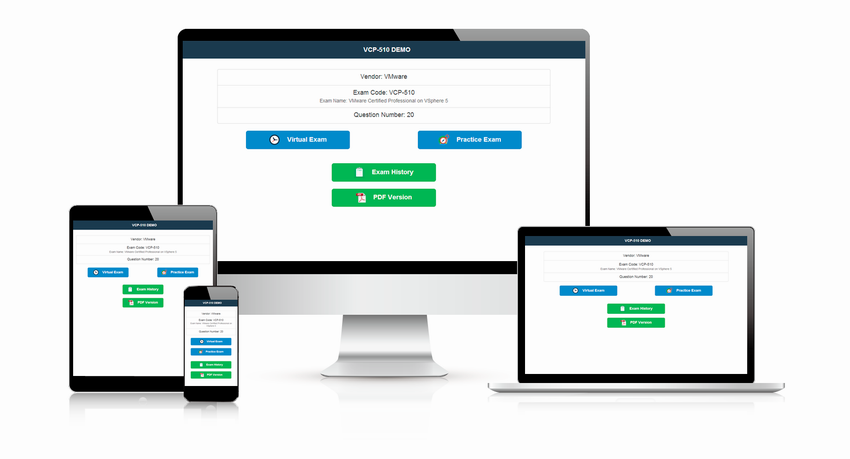
Trial experience before purchasing
Our company is the leading position in the field, and our 202-450 Deutsch exam simulation files are well received in most countries of the world, but if you still have any misgivings, you can download the free demo of 202-450 Deutsch reliable questions and answers on the page which will only take you a few minutes, just like an old saying goes: "bold attempt is half success." We believe that the free trial test will let you know why our 202-450 Deutsch exam braindumps are so popular in the world. This is really a great opportunity for you to study efficiently and pass exam easily with Lpi 202-450 Deutsch exam simulation, which will provide you only convenience and benefits. You should not miss it!
Obviously everyone expects to get a desired job and promotion as well as a big pay raise in his or her career (Lpi 202-450 Deutsch exam braindumps). If you are a worker, maybe the certification will be of great significance for you to achieve your goal. But meanwhile, the Lpi 202-450 Deutsch exam is always "a lion in the way" or "a stumbling block" for many people because it is too difficult for many candidates to pass (202-450 Deutsch exam simulation). Now, since you have clicked into this website, your need not to worry about that any longer, because our company can provide the best remedy for you--our Lpi 202-450 Deutsch reliable questions and answers files.
Our company has been committed to edit the valid 202-450 Deutsch exam simulation for workers during the 8 years, and now we would like to share our great achievements with you in order to help you to pass the exam as well as get the certification easily. The strong points of our 202-450 Deutsch exam braindumps are as follows.

Target Audience and Prerequisites
The LPIC-2 exam 202-450 is perfect for LPIC-1 certified professionals with keen interests in open source technologies and anyone looking to advance their skills in system administration, systems integration, and network engineering.
Linux Professional Institute LPIC-2 202-450. Test Overview
As you already know, LPIC-2 202-450 is the 2nd exam in the sequence of the two (the first one is 201-450) that you need to pass to earn the LPIC-2 certification. It is designed for those test-takers that are passionate about systems administration and networking and are ready to upgrade their skills and boost their career to the next level. The exam lasts for 90 minutes and features 60-multiple choice and fill-in-the-blank questions. The exam cost depends on your location, and if you are going to take it in the USA, for instance, you’ll have to pay $200. Normally the LPI exam costs anything between $90 and $200. These numbers, set by the United Nations Human Development Index, and owe their disparities to the varying economic conditions across the world. To know the precise cost in your region, visit the LPI official website.
The LPIC-2 202-450 exam can be taken at Pearson VUE test centers with a 4-language option- English, Japanese, German, Portuguese. Moreover, the test can be written online via OnVUE. In this case, you are limited to English.
Favorable price for the best products
Although our 202-450 Deutsch exam braindumps have received the warm reception and quick sale from all over the world, in order to help as many workers as possible to pass the exam and get the dreaming certification successfully, we still keep a favorable price for our best 202-450 Deutsch exam simulation. We assure you that our products are reasonable price with high quality. If you choose us you will choose the best high pass-rate Lpi 202-450 Deutsch reliable questions and answers. We aim at providing the best training materials for our users, and we will count it an honor to provide sincere service for you.
Instant Download: Upon successful payment, Our systems will automatically send the product you have purchased to your mailbox by email. (If not received within 12 hours, please contact us. Note: don't forget to check your spam.)
LPI 202-450 Exam Syllabus Topics:
| Topic | Details |
|---|
Domain Name Server |
| Basic DNS server configuration | Weight: 3
Description:Candidates should be able to configure BIND to function as a caching-only DNS server. This objective includes the ability to manage a running server and configuring logging. Key Knowledge Areas:
-BIND 9.x configuration files, terms and utilities
-Defining the location of the BIND zone files in BIND configuration files
-Reloading modified configuration and zone files
-Awareness of dnsmasq, djbdns and PowerDNS as alternate name servers The following is a partial list of the used files, terms and utilities:
-/etc/named.conf
-/var/named/
-/usr/sbin/rndc
-kill
-host
-dig |
| Create and maintain DNS zones | Weight: 3
Description: Candidates should be able to create a zone file for a forward or reverse zone and hints for root level servers. This objective includes setting appropriate values for records, adding hosts in zones and adding zones to the DNS. A candidate should also be able to delegate zones to another DNS server. Key Knowledge Areas:
-BIND 9 configuration files, terms and utilities
-Utilities to request information from the DNS server
-Layout, content and file location of the BIND zone files
-Various methods to add a new host in the zone files, including reverse zones Terms and Utilities:
-/var/named/
-zone file syntax
-resource record formats
-named-checkzone
-named-compilezone
-masterfile-format
-dig
-nslookup
-host |
| Securing a DNS server | Weight: 2
Description: Candidates should be able to configure a DNS server to run as a non-root user and run in a chroot jail. This objective includes secure exchange of data between DNS servers. Key Knowledge Areas:
-BIND 9 configuration files
-Configuring BIND to run in a chroot jail
-Split configuration of BIND using the forwarders statement
-Configuring and using transaction signatures (TSIG)
-Awareness of DNSSEC and basic tools
-Awareness of DANE and related records Terms and Utilities:
-/etc/named.conf
-/etc/passwd
-DNSSEC
-dnssec-keygen
-dnssec-signzone |
Web Services |
| Implementing a web server | Weight: 4
Description: Candidates should be able to install and configure a web server. This objective includes monitoring the server’s load and performance, restricting client user access, configuring support for scripting languages as modules and setting up client user authentication. Also included is configuring server options to restrict usage of resources. Candidates should be able to configure a web server to use virtual hosts and customize file access. Key Knowledge Areas:
-Apache 2.4 configuration files, terms and utilities
-Apache log files configuration and content
-Access restriction methods and files
-mod_perl and PHP configuration
-Client user authentication files and utilities
-Configuration of maximum requests, minimum and maximum servers and clients
-Apache 2.4 virtual host implementation (with and without dedicated IP addresses)
-Using redirect statements in Apache’s configuration files to customize file access Terms and Utilities:
- access logs and error logs
-.htaccess
-httpd.conf
-mod_auth_basic, mod_authz_host and mod_access_compat
-htpasswd
-AuthUserFile, AuthGroupFile
-apachectl, apache2ctl
-httpd, apache2 |
| Apache configuration for HTTPS | Weight: 3
Description: Candidates should be able to configure a web server to provide HTTPS. Key Knowledge Areas:
-SSL configuration files, tools and utilities
-Generate a server private key and CSR for a commercial CA
-Generate a self-signed Certificate
-Install the key and certificate, including intermediate CAs
-Configure Virtual Hosting using SNI
-Awareness of the issues with Virtual Hosting and use of SSL
-Security issues in SSL use, disable insecure protocols and ciphers Terms and Utilities:
-Apache2 configuration files
-/etc/ssl/, /etc/pki/
-openssl, CA.pl
-SSLEngine, SSLCertificateKeyFile, SSLCertificateFile
-SSLCACertificateFile, SSLCACertificatePath
-SSLProtocol, SSLCipherSuite, ServerTokens, ServerSignature, TraceEnable |
| Implementing a proxy server | Weight: 2
Description: Candidates should be able to install and configure a proxy server, including access policies, authentication and resource usage. Key Knowledge Areas:
-Squid 3.x configuration files, terms and utilities
-Access restriction methods
-Client user authentication methods
-Layout and content of ACL in the Squid configuration files Terms and Utilities:
-squid.conf
-acl
-http_access |
| Implementing Nginx as a web server and a reverse proxy | Weight: 2
Description: Candidates should be able to install and configure a reverse proxy server, Nginx. Basic configuration of Nginx as a HTTP server is included. Key Knowledge Areas:
-Nginx
-Reverse Proxy
-Basic Web Server Terms and Utilities:
-/etc/nginx/
-nginx |
File Sharing |
| SAMBA Server Configuration | Weight: 5
Description: Candidates should be able to set up a Samba server for various clients. This objective includes setting up Samba as a standalone server as well as integrating Samba as a member in an Active Directory. Furthermore, the configuration of simple CIFS and printer shares is covered. Also covered is a configuring a Linux client to use a Samba server. Troubleshooting installations is also tested. Key Knowledge Areas:
-Samba 4 documentation
-Samba 4 configuration files
-Samba 4 tools and utilities and daemons
-Mounting CIFS shares on Linux
-Mapping Windows user names to Linux user names
-User-Level, Share-Level and AD security Terms and Utilities:
-smbd, nmbd, winbindd
-smbcontrol, smbstatus, testparm, smbpasswd, nmblookup
-samba-tool
-net
-smbclient
-mount.cifs
-/etc/samba/
-/var/log/samba/ |
| NFS Server Configuration | Weight: 3
Description: Candidates should be able to export filesystems using NFS. This objective includes access restrictions, mounting an NFS filesystem on a client and securing NFS. Key Knowledge Areas:
-NFS version 3 configuration files
-NFS tools and utilities
-Access restrictions to certain hosts and/or subnets
-Mount options on server and client
-TCP Wrappers
-Awareness of NFSv4 Terms and Utilities:
-/etc/exports
-exportfs
-showmount
-nfsstat
-/proc/mounts
-/etc/fstab
-rpcinfo
-mountd
-portmapper |
Network Client Management |
| DHCP configuration | Weight: 2
Description: Candidates should be able to configure a DHCP server. This objective includes setting default and per client options, adding static hosts and BOOTP hosts. Also included is configuring a DHCP relay agent and maintaining the DHCP server. Key Knowledge Areas:
-DHCP configuration files, terms and utilities
-Subnet and dynamically-allocated range setup
-Awareness of DHCPv6 and IPv6 Router Advertisements Terms and Utilities:
-dhcpd.conf
-dhcpd.leases
-DHCP Log messages in syslog or systemd journal
-arp
-dhcpd
-radvd
-radvd.conf |
| PAM authentication | Weight: 3
Description: The candidate should be able to configure PAM to support authentication using various available methods. This includes basic SSSD functionality. Key Knowledge Areas:
-PAM configuration files, terms and utilities
-passwd and shadow passwords
-Use sssd for LDAP authentication Terms and Utilities:
-/etc/pam.d/
-pam.conf
-nsswitch.conf
-pam_unix, pam_cracklib, pam_limits, pam_listfile, pam_sss
-sssd.conf |
| LDAP client usage | Weight: 2
Description: Candidates should be able to perform queries and updates to an LDAP server. Also included is importing and adding items, as well as adding and managing users. Key Knowledge Areas:
-LDAP utilities for data management and queries
-Change user passwords
-Querying the LDAP directory Terms and Utilities:
-ldapsearch
-ldappasswd
-ldapadd
-ldapdelete |
| Configuring an OpenLDAP server | Weight: 4
Description: Candidates should be able to configure a basic OpenLDAP server including knowledge of LDIF format and essential access controls. Key Knowledge Areas:
-OpenLDAP
-Directory based configuration
-Access Control
-Distinguished Names
-Changetype Operations
-Schemas and Whitepages
-Directories
-Object IDs, Attributes and Classes Terms and Utilities:
-slapd
-slapd-config
-LDIF
-slapadd
-slapcat
-slapindex
-/var/lib/ldap/
-loglevel |
E-Mail Services |
| Using e-mail servers | Weight: 4
Description: Candidates should be able to manage an e-mail server, including the configuration of e-mail aliases, e-mail quotas and virtual e-mail domains. This objective includes configuring internal e-mail relays and monitoring e-mail servers. Key Knowledge Areas:
-Configuration files for postfix
-Basic TLS configuration for postfix
-Basic knowledge of the SMTP protocol
-Awareness of sendmail and exim Terms and Utilities:
-Configuration files and commands for postfix
-/etc/postfix/
-/var/spool/postfix/
-sendmail emulation layer commands
-/etc/aliases
-mail-related logs in /var/log/ |
| Managing E-Mail Delivery | Weight: 2
Description: Candidates should be able to implement client e-mail management software to filter, sort and monitor incoming user e-mail. Key Knowledge Areas:
-Understanding of Sieve functionality, syntax and operators
-Use Sieve to filter and sort mail with respect to sender, recipient(s), headers and size
-Awareness of procmail Terms and Utilities:
-Conditions and comparison operators
-keep, fileinto, redirect, reject, discard, stop
-Dovecot vacation extension |
| Managing Remote E-Mail Delivery | Weight: 2
Description: Candidates should be able to install and configure POP and IMAP daemons. Key Knowledge Areas:
-Dovecot IMAP and POP3 configuration and administration
-Basic TLS configuration for Dovecot
-Awareness of Courier Terms and Utilities:
-/etc/dovecot/
-dovecot.conf
-doveconf
-doveadm |
System Security |
| Configuring a router | Weight: 3
Description: Candidates should be able to configure a system to forward IP packet and perform network address translation (NAT, IP masquerading) and state its significance in protecting a network. This objective includes configuring port redirection, managing filter rules and averting attacks. Key Knowledge Areas:
-iptables and ip6tables configuration files, tools and utilities
-Tools, commands and utilities to manage routing tables.
-Private address ranges (IPv4) and Unique Local Addresses as well as Link Local Addresses (IPv6)
-Port redirection and IP forwarding
-List and write filtering and rules that accept or block IP packets based on source or destination protocol, port and address
-Save and reload filtering configurations Terms and Utilities:
-/proc/sys/net/ipv4/
-/proc/sys/net/ipv6/
-/etc/services
-iptables
-ip6tables |
| Securing FTP servers | Weight: 2
Description: Candidates should be able to configure an FTP server for anonymous downloads and uploads. This objective includes precautions to be taken if anonymous uploads are permitted and configuring user access. Key Knowledge Areas:
-Configuration files, tools and utilities for Pure-FTPd and vsftpd
-Awareness of ProFTPd
-Understanding of passive vs. active FTP connections Terms and Utilities:
-vsftpd.conf
-important Pure-FTPd command line options |
| Secure shell (SSH) | Weight: 4
Description: Candidates should be able to configure and secure an SSH daemon. This objective includes managing keys and configuring SSH for users. Candidates should also be able to forward an application protocol over SSH and manage the SSH login. Key Knowledge Areas:
-OpenSSH configuration files, tools and utilities
-Login restrictions for the superuser and the normal users
-Managing and using server and client keys to login with and without password
-Usage of multiple connections from multiple hosts to guard against loss of connection to remote host following configuration changes Terms and Utilities:
-ssh
-sshd
-/etc/ssh/sshd_config
-/etc/ssh/
-Private and public key files
-PermitRootLogin, PubKeyAuthentication, AllowUsers, PasswordAuthentication, Protocol |
| Security tasks | Weight: 3
Description: Candidates should be able to receive security alerts from various sources, install, configure and run intrusion detection systems and apply security patches and bugfixes. Key Knowledge Areas:
-Tools and utilities to scan and test ports on a server
-Locations and organizations that report security alerts as Bugtraq, CERT or other sources
-Tools and utilities to implement an intrusion detection system (IDS)
-Awareness of OpenVAS and Snort Terms and Utilities:
-telnet
-nmap
-fail2ban
-nc
-iptables |
| OpenVPN | Weight: 2
Description: Candidates should be able to configure a VPN (Virtual Private Network) and create secure point-to-point or site-to-site connections. Key Knowledge Areas:
-OpenVPN Terms and Utilities:
-/etc/openvpn/
-openvpn |
Reference: https://www.lpi.org/our-certifications/exam-202-objectives
High pass rate
The pass rate of IT exam is the most essential criteria to check out whether our 202-450 Deutsch exam simulation files are effective or not undoubtly. Seriously, I want to say that according to statistics, under the help of our products, the pass ratio of 202-450 Deutsch exam braindumps files have reached as high as 98% to 100% based on the past experience. We are growing larger and larger because our valid 202-450 Deutsch reliable questions and answers are the fruits of painstaking efforts of a large number of top workers all over the world. Our Lpi 202-450 Deutsch exam simulation files have been honored as the best shortcut for workers in this filed since all of the contents of 202-450 Deutsch exam braindumps files are the essences of the exam. What's more, all of the key points and the real question types of the exam are included in our exam preparation materials. With the help of our 202-450 Deutsch reliable questions and answers you can be confident that you will pass the exam surely and get your dreaming certification as easy as turning over your hands. So why are you still waiting for? Just take immediate actions!