The shortcut for busy workers
However, preparing for the certificate exam is a hard & time-consuming process because the exam is very difficult and the pass rate is low if you prepare yourself without the help of our Snowflake NAS-C01 dumps guide. However most of people who need to prepare for the exam are office stuff and who are busy & tired in their daily lives, they may not have enough time to prepare for exam without valid NAS-C01 exam braindumps: SnowPro Specialty - Native Apps. In order to help candidates get out of the dilemma, we are here to provide the shortcut for you. Our company specializes in compiling the Snowflake NAS-C01 exam bootcamp for workers, and we will be here waiting for helping you any time.
Undoubtly in the process of globalization, competition in various industries is likely to be tougher and tougher, (NAS-C01 exam braindumps: SnowPro Specialty - Native Apps) and the industry is not an exception. As a worker, how can you stand out in the crowd? Maybe this certification can be the most powerful tool for you.

Three different versions available for you
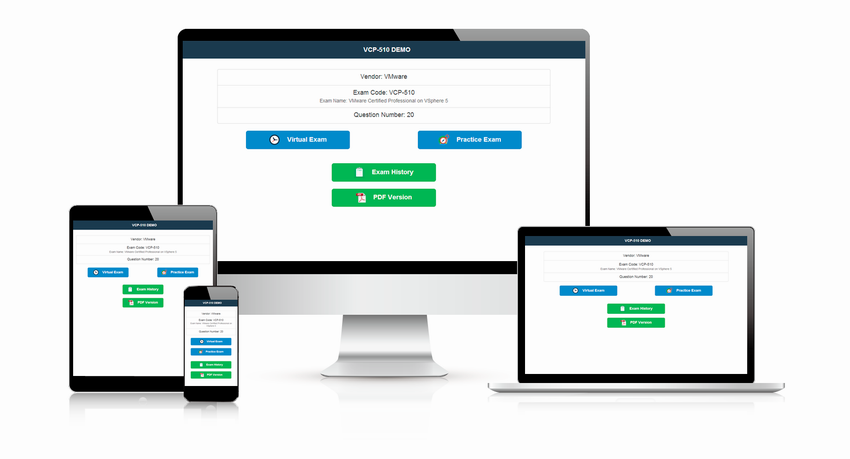
On account that different people have different preference for different versions of NAS-C01 exam braindumps: SnowPro Specialty - Native Apps, our company has put out three kinds of different versions for our customers to choose from, namely, PDF Version, PC test engine and APP test engine of Snowflake NAS-C01 dumps guide. It is universally acknowledged that PDF version is convenient for you to read and print, therefore, you can bring the NAS-C01 exam simulation files with you wherever you go. What's more, among the three versions, the PC version can stimulate the real exam for you in the internet, but this version of Snowflake NAS-C01 exam simulation only can be operated in the windows operation system under Java script, which can help you to become familiar with the exam atmosphere in the real exam. We will respect every select that you make and will spare no effort to provide the best service and NAS-C01 exam braindumps: SnowPro Specialty - Native Apps for you.
Instant Download: Upon successful payment, Our systems will automatically send the product you have purchased to your mailbox by email. (If not received within 12 hours, please contact us. Note: don't forget to check your spam.)
Instant downloading after payment
Customers' satisfaction is our greatest pursuit, so our company has paid great importance to the delivery speed. As our Snowflake NAS-C01 dumps guide materials are electronic files we do not need traditional shipping method. In order to save as much time as possible for our customers, our system will send the downloading link of NAS-C01 exam braindumps: SnowPro Specialty - Native Apps to your e-mail address in 5 to 10 minutes automatically after payment (please enter the right email while placing the order), then you only need to check your email and download the NAS-C01 dumps guide, thus you can get enough time to prepare for the exam, as it is known to all, chance favors the one with a prepared mind. Our Snowflake NAS-C01 exam simulation files have been highly valued by a large number of people all over the world, you might as well have a try, and experience will tell you everything.
Snowflake NAS-C01 Exam Syllabus Topics:
| Section | Weight | Objectives |
|---|---|---|
| Snowflake Native Applications Design and Creation | 35% | - Apply Snowflake best practices while building native application workloads
|
| Snowflake Native App Framework Overview | 20% | - Understand Snowflake architecture, features, tools, and best practices
|
| Snowflake Native Applications Deployment | 25% | - Build, version, and release native applications
|
| Snowflake Native Applications Installation and Testing | 20% | - Install and test native applications
|
Snowflake SnowPro Specialty - Native Apps Sample Questions:
1. You are building a Streamlit application within a Snowflake Native App that allows users to download data as CSV The data is prepared using a Snowflake stored procedure. The Streamlit app uses a Snowflake Connector for Python to call the stored procedure and retrieve results. Which of the following privileges are required for the 'app_public' role to successfully execute the stored procedure from within the Streamlit application? Select all that apply.
A) OWNERSHIP on the stored procedure.
B) EXECUTE on the stored procedure.
C) USAGE on the database containing the stored procedure.
D) CREATE STORED PROCEDURE on the schema containing the stored procedure
E) USAGE on the schema containing the stored procedure.
2. A Snowflake Native App developer is designing the upgrade process for their application. They need to ensure that data stored in the application's managed tables is preserved during the upgrade and that the application remains functional throughout the upgrade process. Which of the following strategies should the developer implement to achieve these goals? (Select TWO)
A) Design the application's data model to be backward-compatible, allowing the new version to read and write data in the format used by previous versions. Use 'ALTER TABLE to add new columns or modify existing ones without breaking existing functionality.
B) Use the 'DROP TABLE command with the 'CASCADE' option to remove all tables and views before deploying the new version of the application.
C) Before upgrading, unload all data from the application's tables to cloud storage, and then reload the data into the new version after the upgrade is complete.
D) Utilize Snowflake's data sharing capabilities to create a read-only replica of the application's data for the new version to access during the upgrade.
E) Implement a versioning system for the application's metadata using the ' APPLICATION VERSION' construct, ensuring that the new version can handle data from previous versions.
3. You are developing a Snowflake Native Application that provides data enrichment services. You want to monetize your application through the Snowflake Marketplace using a custom, usage-based pricing model. You need to track the number of API calls made by each consumer account and bill them accordingly. Which of the following steps are necessary to implement this in your application and listing configurations?
A) Use Snowflake's data sharing capabilities to share a billing table with consumer accounts, tracking API calls externally and managing billing outside of the Snowflake Marketplace.
B) Implement a metering function using stored procedures, record API usage in a dedicated table within your application's container and use 'CREATE NOTIFICATION INTEGRATION' to send billing data to an external system for invoice generation.
C) Implement a metering function within your Native Application using 'snowflake.snowpark.functions.metering'. Configure your application listing with a STANDARD listing type and set a base price.
D) Implement custom code to track API calls in a table within the application package and use a scheduled task to generate billing reports manually. This report is then shared outside of Snowflake Marketplace.
E) Implement a metering function within your Native Application using 'snowflake.snowpark.functions.metering'. Configure your application listing with a CONSUMPTION listing type and define metering events based on API calls made. Set the cost per metering event.
4. A Snowflake Native App provider has implemented an Event Table to capture application logs. They observe a significant performance degradation in their application queries when the Event Table grows beyond a certain size. Which of the following strategies can be implemented to mitigate the performance issue, assuming that frequent querying of the last 7 days of data is common? Select ONLY ONE answer.
A) Increase the warehouse size used for querying the Event Table.
B) Implement a stored procedure that manually copies the last 7 days of data to a separate, smaller table.
C) Disable automatic clustering on the Event Table.
D) Partition the Event Table by date, using the ' INSTALLATION_TIMESTAMP' column.
E) Create a materialized view on top of the Event Table that filters for events within the last 7 days.
5. You are developing a Snowflake Native Application and need to implement robust logging for troubleshooting purposes. You want to capture detailed information about function calls, including input parameters and return values. Which of the following approaches offers the MOST comprehensive and secure solution for logging within a Snowflake Native Application, considering the limitations imposed by the Snowflake environment?
A) Using ' SYSTEM$LOG' with trace level logging and store the logs into internal stage, accessible only by the application's service user.
B) Using 'SYSTEM$LOG' with debug level logging and capturing logs in a secure internal stage, managed by the provider, ensuring data privacy and limited consumer access.
C) Employing 'EXECUTE IMMEDIATE to write log messages directly to a dedicated logging table within the consumer's account.
D) Writing log messages to an external stage (e.g., AWS S3, Azure Blob Storage) that is accessible to both the provider and consumer accounts.
E) Leveraging Snowflake's event tables and configuring the application to emit custom events, then creating views on those event tables within the consumer's account.
Solutions:
| Question # 1 Answer: B,E | Question # 2 Answer: A,E | Question # 3 Answer: E | Question # 4 Answer: E | Question # 5 Answer: B |


 Charlotte
 Annabelle
  Emma
Emma 
 Alexander
 Baldwin
  Leo
Leo  Aries
Aries  Harry
Harry  Naomi
Naomi  Douglas
  Albert
  Moses
Moses  Jared
Jared  Mick
Mick  Roy
Roy  Algernon
  Honey
Honey  Gene
Gene